Acapulco to Cobán
Cobán → AcapulcoFTL freight transportation service between Acapulco and Cobán. Reliable logistics solutions for your business.
Route Description
Everything you need to know about the corridor Acapulco - Cobán
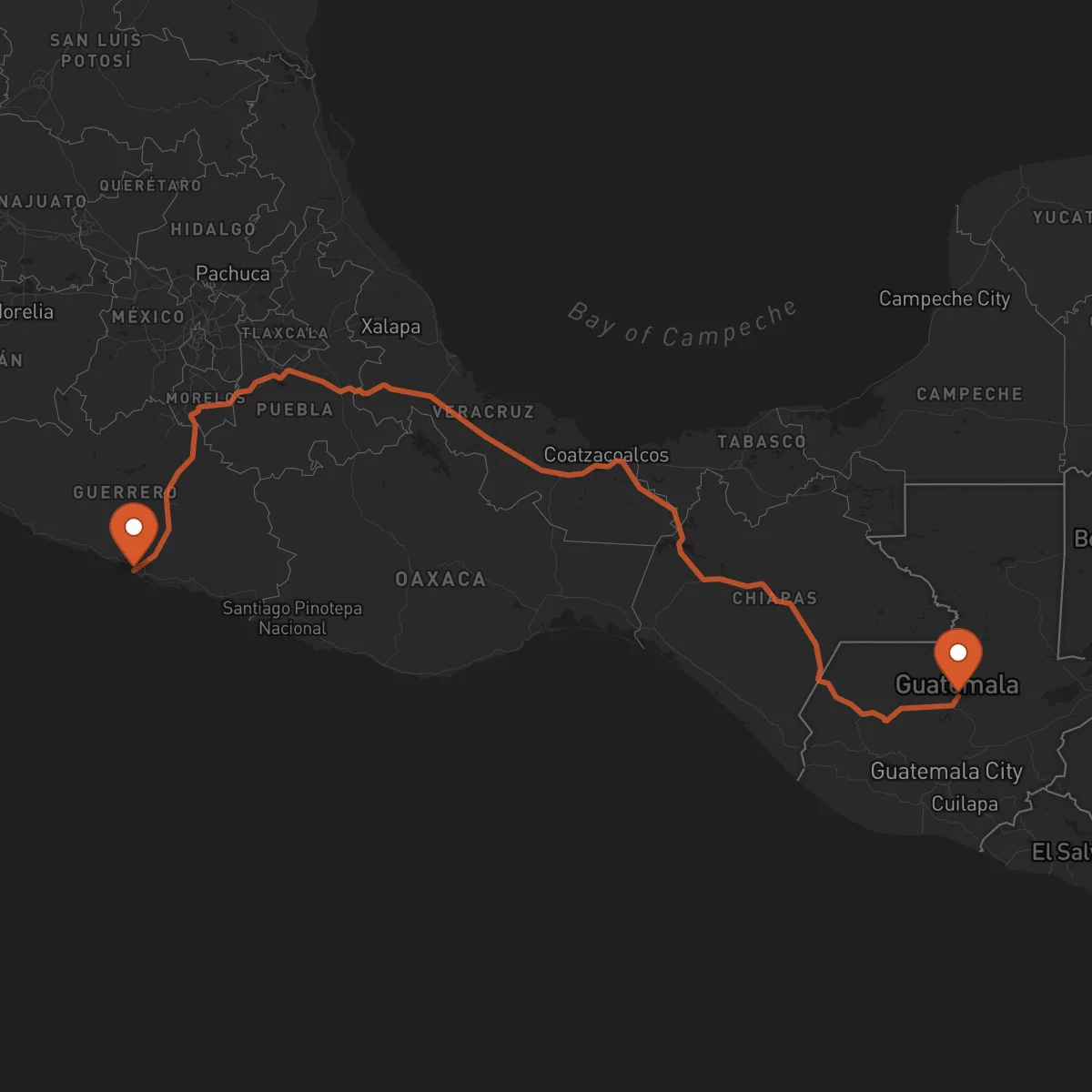
The Acapulco-Cobán corridor represents a vital cross-border logistics connection between Mexico's Pacific coast and Guatemala's central highlands. This 1027 km route links Mexico's major port city of Acapulco with Cobán, an important commercial hub in northern Guatemala. The corridor facilitates the movement of diverse cargo types, from agricultural products and manufactured goods to industrial equipment and consumer merchandise. Control Terrestre's expertise in cross-border operations ensures seamless transportation across this international route, managing all customs procedures and regulatory requirements between Mexico and Guatemala.
Services for this Route
Available services for the corridor Acapulco - Cobán
 Origin
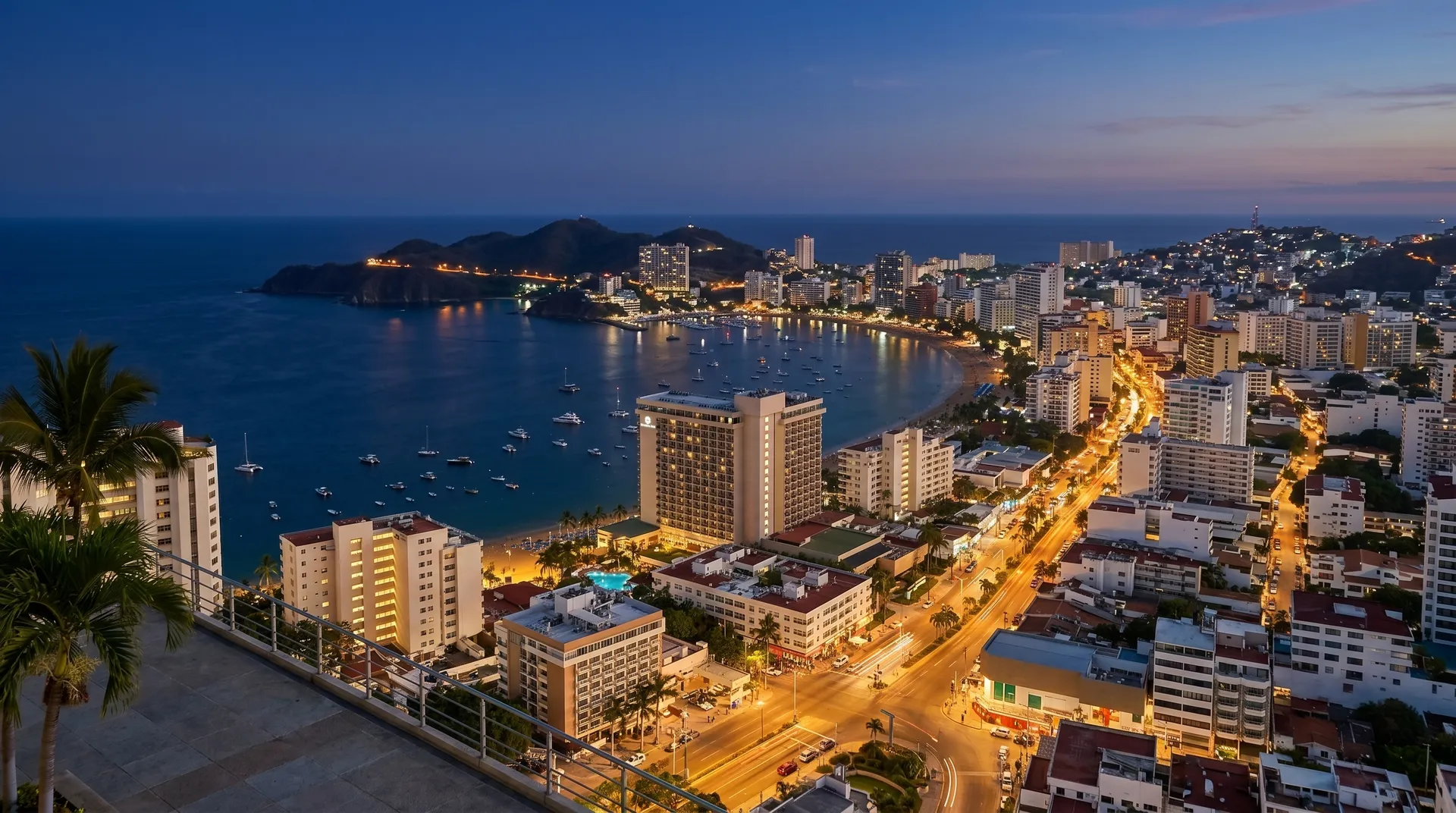
Acapulco, located on Mexico's Pacific coast in Guerrero state, serves as a strategic logistics gateway with its deep-water port and extensive transportation infrastructure. The city's economy traditionally centered on tourism has diversified to include manufacturing, particularly in the automotive and electronics sectors. Acapulco's port facilities handle significant cargo volumes, while its connectivity to major Mexican highways (including Highway 200 and Highway 95) provides efficient access to inland destinations. The city's industrial parks and free trade zone areas support various manufacturing operations that generate substantial freight movement.
 Destination
Cobán
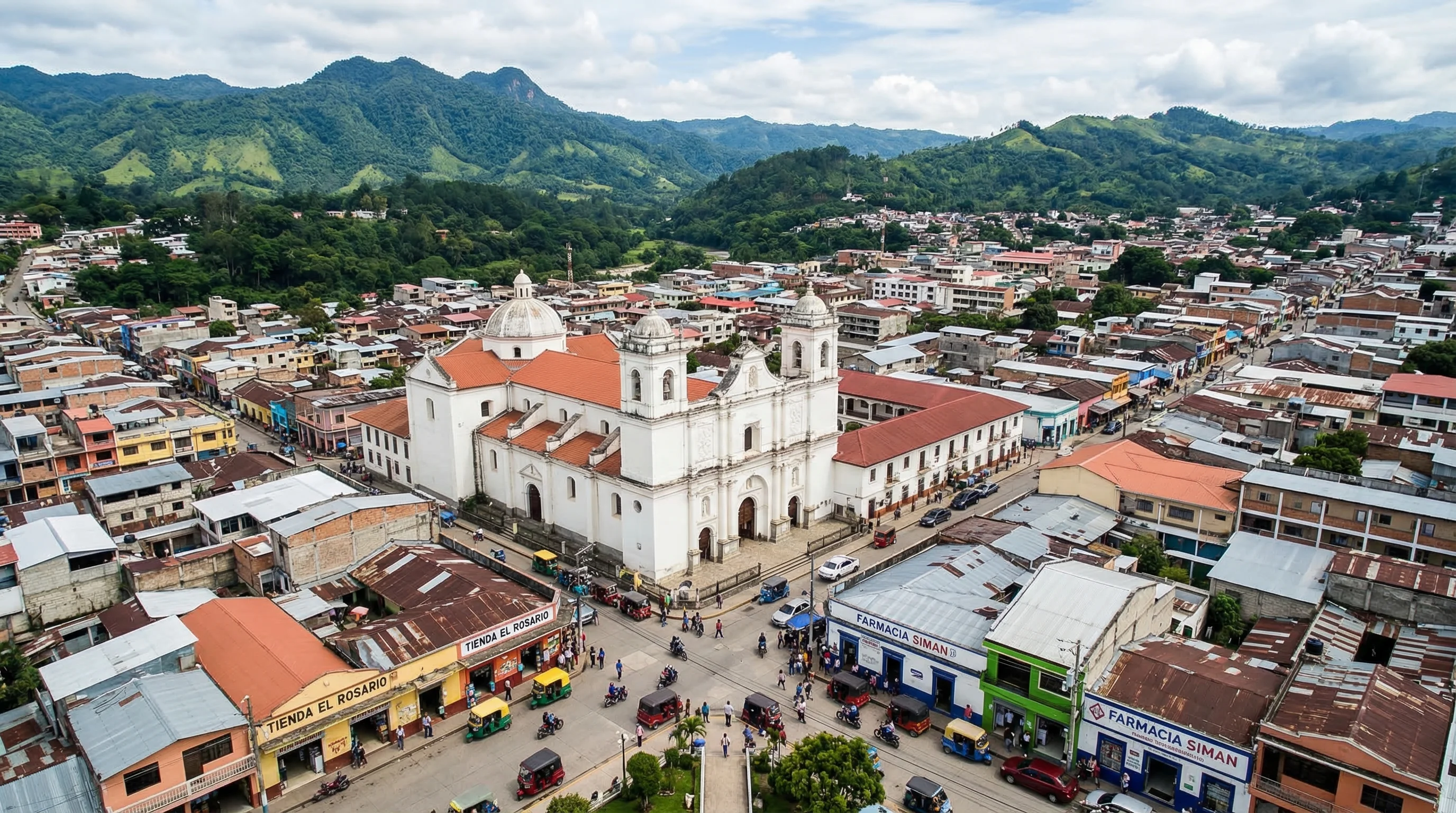
Cobán, situated in Guatemala's Alta Verapaz department, functions as a crucial commercial and agricultural center in the country's central highlands. The city's strategic location connects Guatemala's Caribbean and Pacific regions, making it an important distribution point for agricultural products, particularly coffee, cardamom, and tropical flowers. Cobán's developing industrial sector includes food processing, textiles, and light manufacturing. The city's transportation infrastructure includes connections to Guatemala's highway network, facilitating access to major ports like Santo Tomás de Castilla and Puerto Quetzal.










