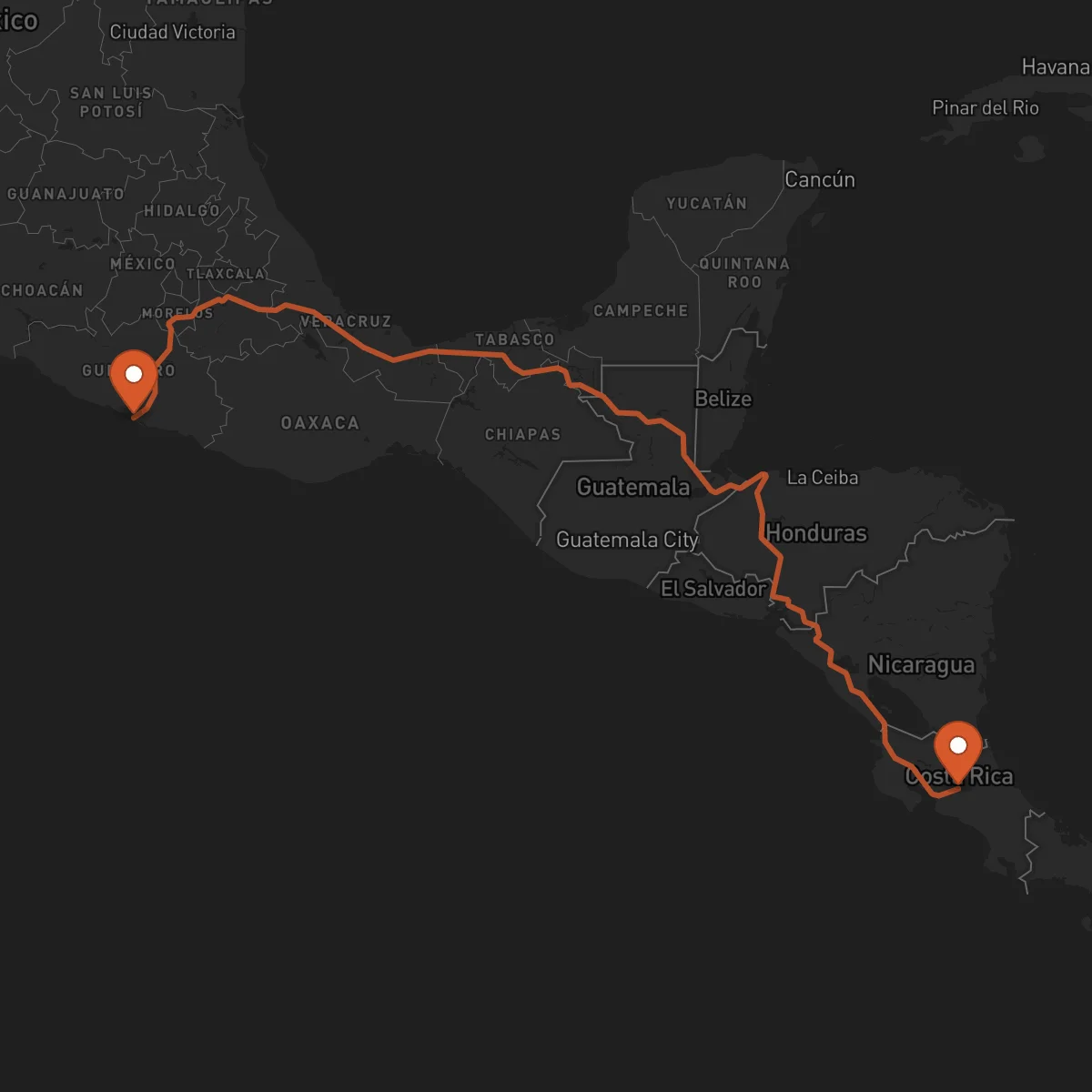
Acapulco to Alajuela
Alajuela → AcapulcoFTL freight transportation service between Acapulco and Alajuela. Reliable logistics solutions for your business.
Route Description
Everything you need to know about the corridor Acapulco - Alajuela
The Acapulco to Alajuela corridor represents a vital cross-border logistics connection spanning 1,856 kilometers through Mexico and Central America. This strategic route links Mexico's Pacific coast with Costa Rica's industrial heartland, facilitating the movement of goods between two major economic regions. The corridor traverses diverse terrain and crosses multiple international borders, making it a complex but essential transportation pathway for regional trade.
The economic significance of this corridor is underscored by the industrial activities in both endpoints. Acapulco serves as a crucial maritime gateway for Mexico's Pacific trade, while Alajuela stands as Costa Rica's industrial powerhouse, hosting numerous manufacturing facilities and distribution centers. This creates a high demand for reliable freight transportation services connecting these economic hubs.
Key industries utilizing this corridor include automotive parts manufacturing, electronics, agricultural products, and consumer goods. The route primarily follows major highways including Mexico's Federal Highway 200 and Costa Rica's Route 1, with critical border crossings at Paso Canoas between Panama and Costa Rica. Control Terrestre's expertise in cross-border operations ensures seamless customs clearance and regulatory compliance throughout the journey.
Our comprehensive FTL services along this corridor provide dedicated transportation solutions that maintain cargo integrity and delivery schedules. We coordinate with certified carriers who understand the specific requirements of cross-border freight, including proper documentation, temperature-controlled transport when needed, and secure handling of specialized cargo. This end-to-end management approach minimizes transit risks and ensures your freight reaches its destination efficiently.
Services for this Route
Available services for the corridor Acapulco - Alajuela
 Origin
Acapulco, located on Mexico's Pacific coast in Guerrero state, serves as a strategic logistics hub with its deep-water port and proximity to major industrial centers. The city's port facilities handle significant volumes of containerized cargo, making it an ideal origin point for international freight movements. Acapulco's infrastructure includes modern port facilities, highway connections to Mexico City and other inland destinations, and proximity to industrial parks that support manufacturing and export activities.
The region's economy benefits from tourism, fishing, and industrial activities, with several manufacturing facilities specializing in automotive components, electronics, and consumer goods. The available transportation infrastructure includes the Acapulco International Airport, extensive highway networks connecting to Mexico's interior, and the port's container handling capabilities. These assets make Acapulco an excellent starting point for freight shipments requiring efficient multimodal transportation solutions.
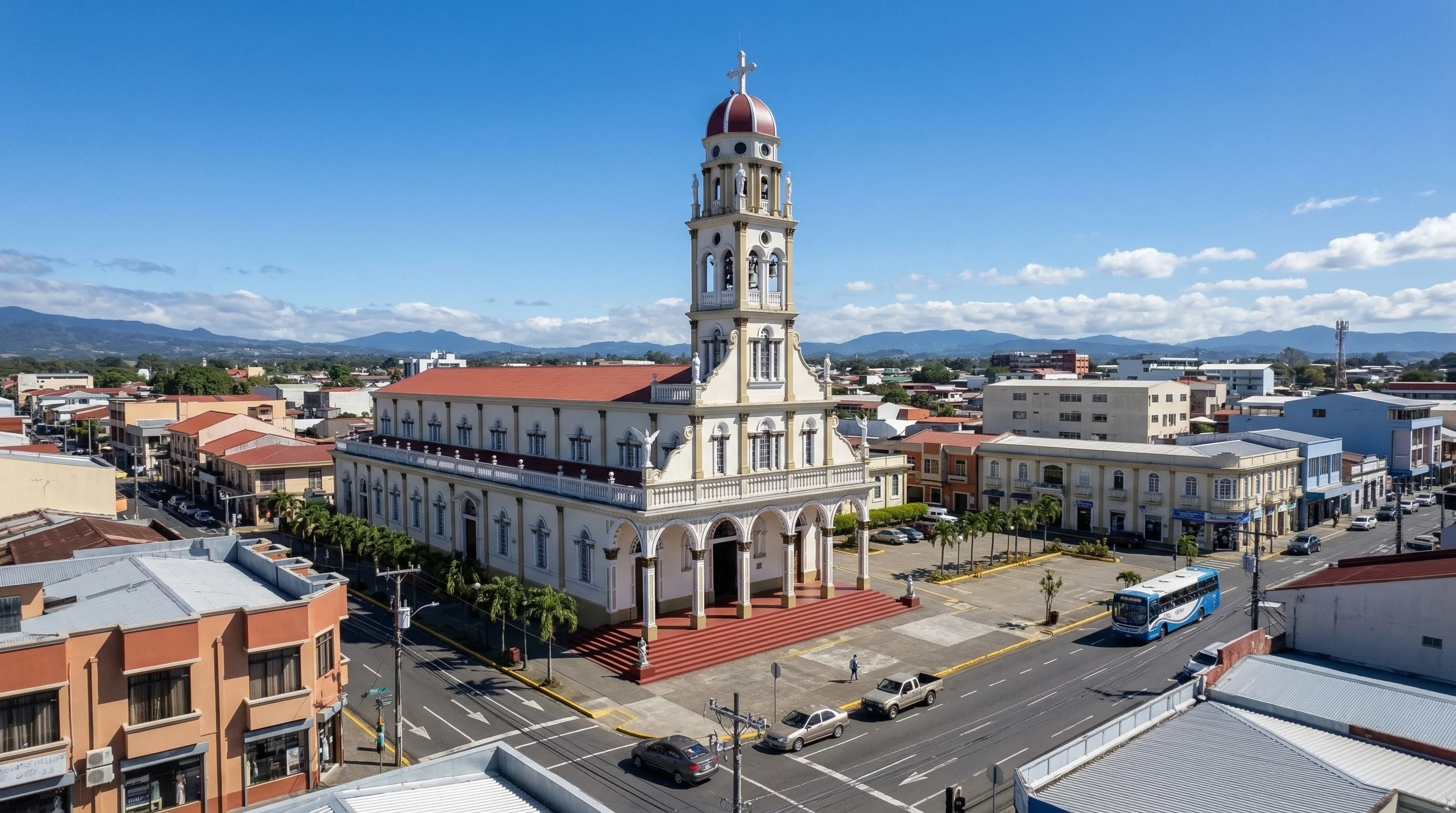 Destination
Alajuela
Alajuela, Costa Rica's second-largest city, stands as a major industrial and logistics center in Central America. Located in the heart of Costa Rica's Central Valley, Alajuela offers strategic advantages including proximity to Juan Santamaría International Airport and excellent road connections to the rest of the country. The city serves as a gateway to Costa Rica's industrial parks and free trade zones, which host numerous multinational corporations.
The region's economy is driven by advanced manufacturing, particularly in electronics, medical devices, and aerospace components. Alajuela's industrial infrastructure includes specialized industrial parks, modern warehousing facilities, and a skilled workforce. The city's transportation network provides efficient connections to Pacific and Caribbean ports, making it an ideal destination for freight requiring distribution throughout Central America. The availability of cold storage facilities and specialized handling equipment supports diverse cargo requirements, from temperature-sensitive pharmaceuticals to heavy industrial equipment.










